Fat loss
Fat loss vs weight loss: what you should actually focus on
PT DXB coaches · 6 min read
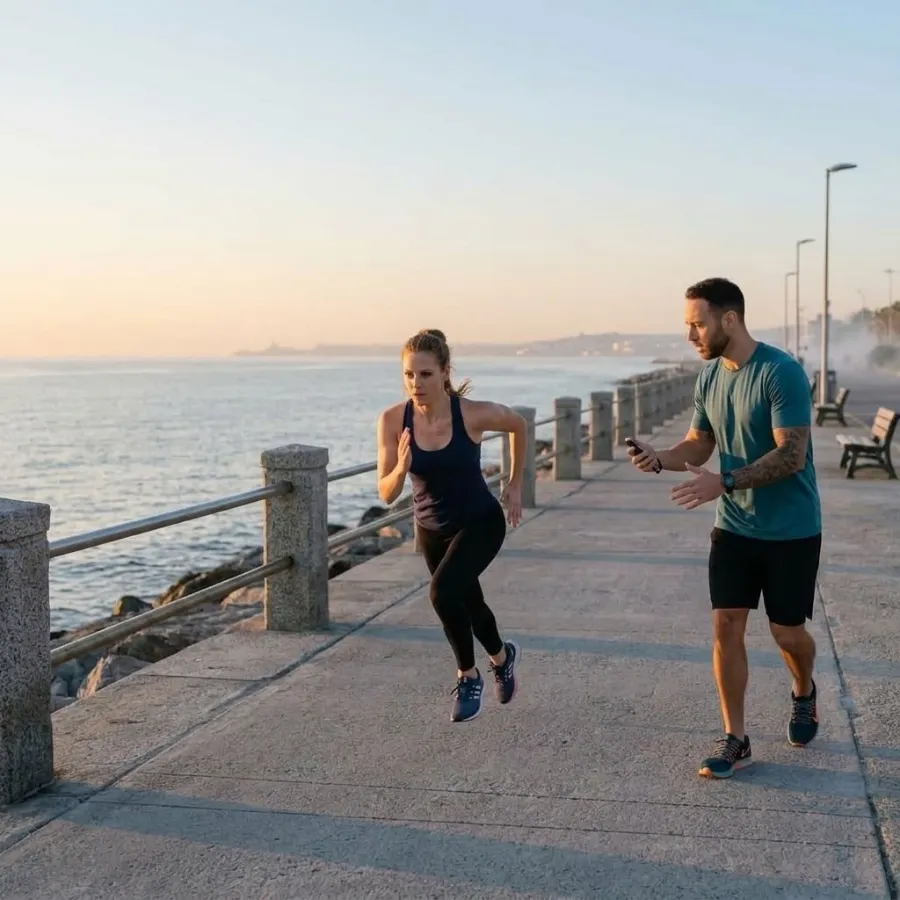
Most people who say they want to lose weight actually want something more specific: a leaner body, clothes that fit better, more energy. The number on the scale is only part of that picture. Knowing the difference between weight loss and fat loss changes how you train, how you eat and how you judge your progress.
In this article
ToggleWhat the scale really measures
Your body weight is everything added together: fat, muscle, bone, organs, water and whatever is in your stomach. That is why it can jump by a kilo or more from one day to the next. A salty dinner, a hard workout, a hot day in Dubai or more carbs than usual can all shift water without any real change in body fat.
So when the scale moves, it does not tell you what you lost or gained.
Weight loss vs fat loss
- Weight loss is any drop on the scale: fat, muscle, water or a mix.
- Fat loss is losing body fat specifically, ideally while keeping or building muscle.
Crash diets often deliver fast weight loss, but a big part of it can be water and muscle. Losing muscle makes you weaker, can leave you looking soft even at a lower weight, and makes it easier to put the weight back on.
Why keeping muscle matters
- Muscle gives your body its shape and tone.
- It keeps you strong for daily life: carrying kids, shopping bags, stairs.
- It supports long-term health and helps you keep your results.
The real goal is better body composition: less fat, with the same or more muscle.
How to lose fat, not muscle
1. Train with resistance
Strength training two to four times a week tells your body to hold on to muscle while you eat a little less. Bodyweight, dumbbells and bands all work.
2. Eat in a moderate deficit
Eat slightly less than you burn, not drastically less. Small, steady deficits are easier to stick to and protect muscle better than extreme diets.
3. Prioritise protein
Include a good protein source at every meal, such as eggs, chicken, fish, yoghurt or lentils. Protein helps you keep muscle and stay full for longer.
4. Move more through the day
Walking and everyday movement add up. In the hotter months, an evening walk, a lap of the mall or an indoor session keeps you consistent.
5. Sleep and recover
Poor sleep makes hunger harder to control and training harder to recover from.
Better ways to track progress
- Weekly average weight instead of single daily readings
- Waist and hip measurements every two to four weeks
- Progress photos in the same light and pose
- Strength: are you lifting more or doing more reps?
- How your clothes fit and how you feel
If your waist is shrinking and your strength is going up, you are losing fat, even when the scale is slow.
How long does it take?
It depends on your starting point, consistency, sleep and food. Steady progress over months beats a fast drop that comes back. A realistic plan you follow is worth more than a perfect plan you quit.
Get a plan built for you
At PT DXB, training and nutrition go together. Coach Islam, a personal trainer and nutrition specialist, works with clients on fat loss and body transformation, tracking measurements and performance and adjusting the plan as you go. You can also see all our training programmes.
If you have a medical condition, are pregnant or take medication, speak to your doctor before changing your diet or starting a new training programme.
Fat loss vs weight loss: the key takeaway
Focus on losing fat while keeping your muscle: combine strength training with a moderate eating plan and plenty of protein. The NHS physical activity guidelines also recommend strength exercises on at least 2 days a week for adults.
Want a coach to guide you? Understanding fat loss vs weight loss is the first step; a coach helps you act on it. Get a training and food plan from Islam, our nutrition coach, or combine weight management with safe, structured training with Dina, our rehabilitation personal trainer. Your first session is free.
Keep reading
Your first session is free
Train with a certified PT DXB coach at your home, building gym or outdoors.
© 2026 PT DXB · Dubai, UAE