Rehab & recovery
Personal training after injury: when and how to start safely
PT DXB coaches · 6 min read
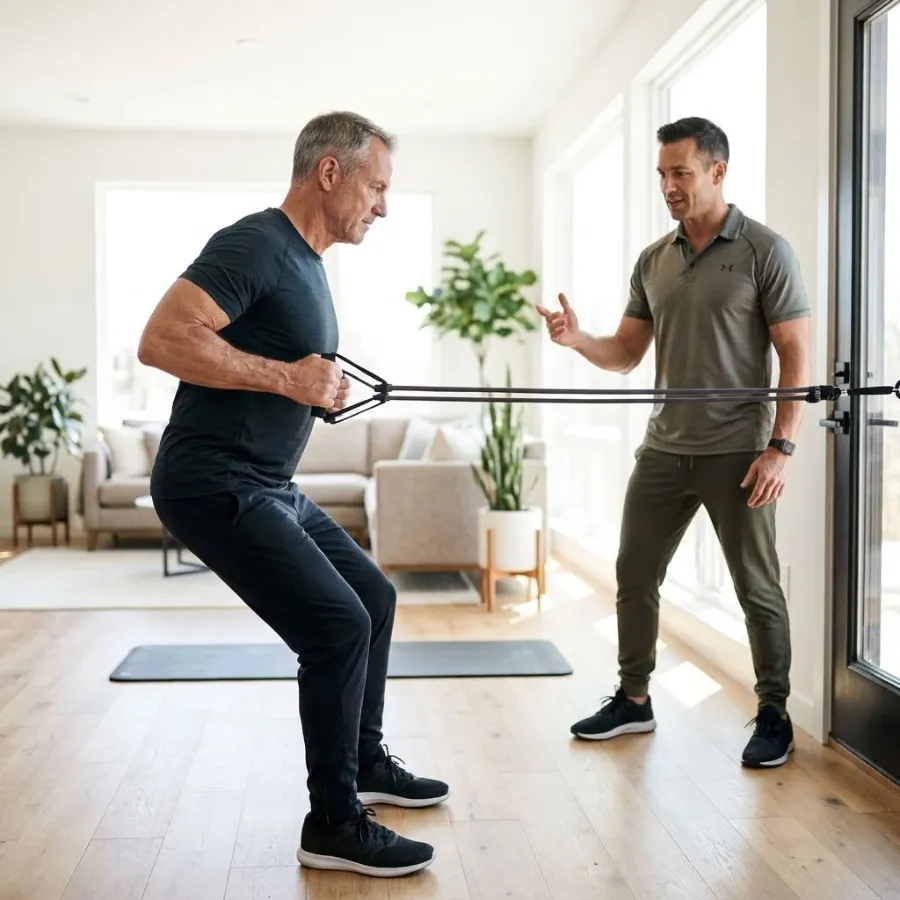
Getting injured is frustrating, and coming back can feel even harder. Train too soon or too hard and you risk making things worse; wait too long and you lose strength and confidence. Personal training after injury bridges that gap: a structured, gradual plan that rebuilds strength safely once you have been cleared to exercise.
In this article
ToggleStart with medical clearance
Before you start any training after an injury, get the green light from your doctor or physiotherapist. They will tell you what is safe, what to avoid and how much load the injured area can take. A good personal trainer works within those limits, not around them, and keeps in touch with your physio if needed. For common sprains and strains, the NHS guide to sprains and strains explains the early recovery stage and when to get help.
Why personal training after injury helps
Many people finish physiotherapy feeling better but not yet strong. The pain has eased, yet the muscles around the injury are still weak and movement does not feel fully natural. Personal training after injury picks up from there:
- Rebuilds strength in the injured area and the muscles that support it
- Restores confidence so you stop guarding the area and move normally again
- Corrects compensations, such as limping or favouring one side, that can cause new problems
- Bridges the gap between rehab exercises and your normal training or sport
7 steps to return safely
1. Assess before you train
A first session should check your range of motion, strength on both sides, balance and how the injured area responds to simple movements. This sets your starting point.
2. Start below your limit
Early sessions should feel easy. The aim is to move well without pain flaring up afterwards, not to test how much you can do.
3. Rebuild the basics
Controlled movements such as bridges, supported squats, rows and core exercises come first. They build a base of strength around the joint before heavier or faster work.
4. Progress gradually
Increase only one thing at a time: weight, reps, range or speed. Small weekly steps are safer and, over a few months, faster than big jumps.
5. Use pain as a guide
Mild discomfort that settles quickly is often acceptable, but sharp pain, swelling or pain that is worse the next day are signs to scale back and speak to your physio.
6. Train the whole body
While the injured area recovers, the rest of your body can keep getting fitter. A good plan keeps you active without overloading the injury.
7. Prepare for real life
The final stage brings back the movements you need every day or in your sport: lifting, twisting, running, jumping. This is where confidence fully returns.
What a session looks like
A typical session of personal training after injury starts with a check-in on how the area feels, then a warm-up with mobility work, targeted strength exercises for the injured area, general fitness work for the rest of the body and a cool-down. Your coach adjusts each exercise to how you feel on the day.
Personal training after injury in Dubai
Training at home or in your building gym has a big advantage after an injury: no travel, no crowded gym floor and a coach who focuses only on you. Sessions can be planned around your physiotherapy appointments so both work together.
Want a coach to guide you? Dina, our rehabilitation personal trainer has 12+ years of experience in personal training and rehabilitation support. Once your doctor or physio has cleared you, she builds a safe, gradual plan at your home in Dubai. Your first session is free.
Keep reading
Your first session is free
Train with a certified PT DXB coach at your home, building gym or outdoors.
© 2026 PT DXB · Dubai, UAE